Can scientists reverse your age?
Reversing aging may sound like science fiction, but scientists have already found a way to do it—at least, theoretically. Based on a 2012 Nobel-prize winning discovery, researchers are testing whether they can revert diseased cells in the eye back to young and healthy ones. They gave people a drug this year. If it works, it’ll open the door to curing and possibly preventing other age-related diseases. And that led producer Berly McCoy to wonder: Could all this research eventually extend our human lifespans?
If you like this episode, check out our episodes on zombie cells, why our hair turns gray and why we die.
Interested in more science on aging? Email us your question at shortwave@npr.org.
Support public media with NPR+ and enjoy perks for over 25 podcasts like this one. This show’s perks include sponsor-free listening. Learn more at plus.npr.org.
See pcm.adswizz.com for information about our collection and use of personal data for sponsorship and to manage your podcast sponsorship preferences.
NPR Privacy Policy
- Datum:
- Duur:
Gerelateerde podcastafleveringen



Meer afleveringen van Short Wave
-
Can scientists reverse your age?
Reversing aging may sound like science fiction, but scientists have already found a way to do it—at least, theoretically. Based on a 2012 Nobel-prize winning discovery, researchers are testing whether they can revert diseased cells in... -
How this year's record El Niño could hit your wallet
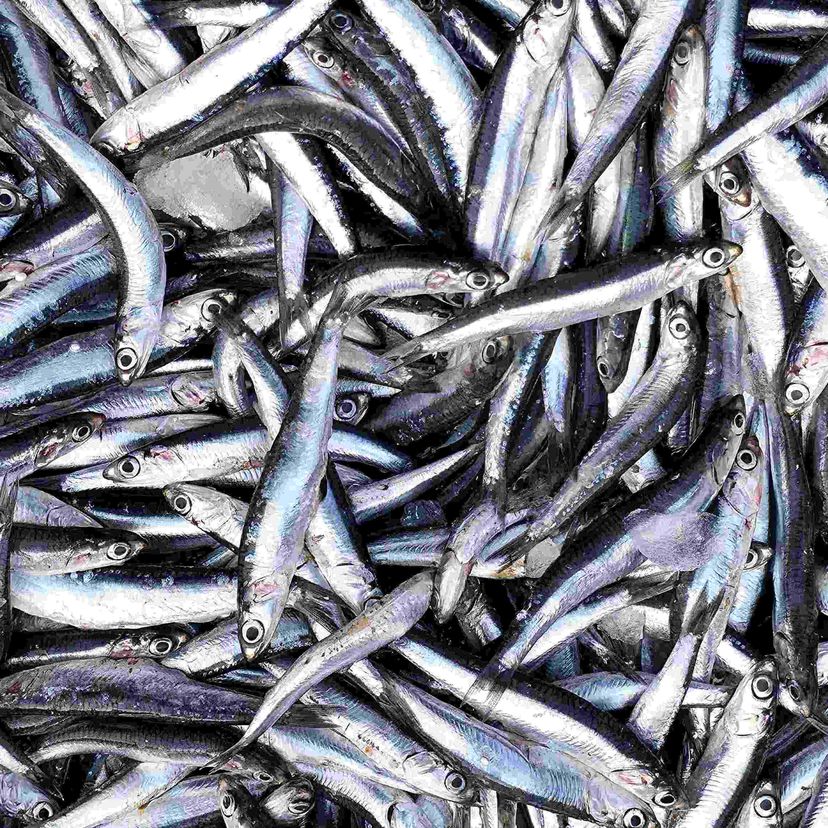
Peru’s anchovy industry, the largest single-species fishery in the world, is being rocked by the ongoing El Niño . It’s not the first time the fishery has been impacted by the natural weather phenomenon — El Niño gets its name from... -
An ‘Ozempic baby boom’? The GLP-1 pregnancy plot twist
The explosion of GLP-1 drugs has created a gray zone for pregnancy. That recently prompted the American College of Obstetricians and Gynecologists to issue its first ever guidance on the topic. In a twist, the drugs may boost fertility...